

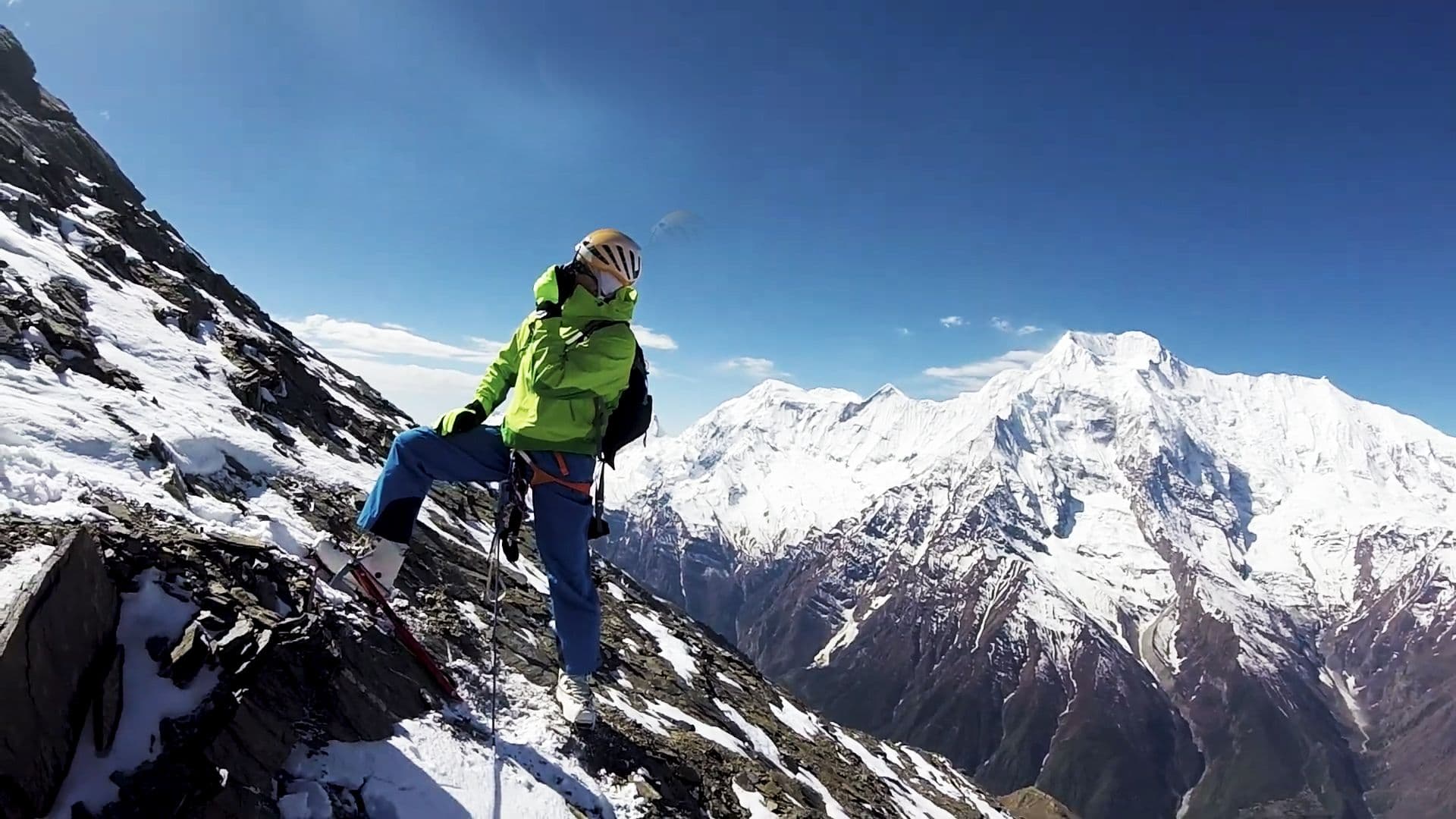
Pisang Peak Climbing
Overview
Nepal, as a tourist destination is good for all seasons, however, the best seasons for trekking to Sarangkot are Spring (March – May) and Autumn (mid Sept. – mid Dec. ) if you are looking for nice views of clear mountain. This trek can be done in any month except January and February as it is too much cold.
Pisang Peak Climbing: A Journey Through Majestic Mountains and Local Culture
From the summit, you can see the marvelous views of many mountains including:
Tilicho Peak (7134m / 23405ft.)
Annapurna II (7937m / 26040ft.)
Annapurna IV (7525m / 24688ft.)
Glacier Dome (2199m / 7214ft.)
Gangapurna (7455m / 24458ft.)
Similarly, you can observe beautiful local villages and the culture of Mongolian people during the trail to the circuit. This journey provides a great opportunity to explore their traditions, customs, norms, and values.
Pisang Peak Climbing also offers you the chance to experience the amazing wildlife habitat of this region in the fascinating jungles of rhododendron, pine, and bamboo.
What‘s Included
What‘s Excluded
Availability
Select your preferred departure date. Trip duration: 23 days
| Su | Mo | Tu | We | Th | Fr | Sa |
|---|---|---|---|---|---|---|
| Su | Mo | Tu | We | Th | Fr | Sa |
|---|---|---|---|---|---|---|
Number of Travellers
Select a date to book
Dates are subject to availability. Please contact us to confirm your preferred dates.
Itinerary
Arrival in Kathmandu and transfer to the hotel.
Details information regarding about the trip for basic preparation and make a permit.
Drive Besi Sahar
Besisahar to Nagdi
Nagdi to Jagat
Jagat to Tal
Tal to Chame
Chame to Upper Pisang.
Upper Pisang to Pisang Base camp
Acclimatize day
Pisang BC - High camp
Rest in high camp
One extra day
High camp - Summit & back BC
Pisang BC - Manang
Manang rest
Manang - Thorong Phedi
Thorong Phedi - Thorong Pass - Muktinath
Muktinath to Jomsom
Fly back from Jomsom to Pokhara.
Drive/ Fly back to Kathmandu.
Rest day in Kathmandu and join in evening cultural dinner program
Drive to airport for departure.
FAQs about
the trip
Nepal, as a tourist destination is good for all seasons, however, the best seasons for trekking to Kanchenjunga region are Spring (March – May) and Autumn (mid Sept. – mid Dec. ). Trekking in autumn season is noted for clear weather and excellent views of silvery mountains against blue sky. It gets colder towards the end of December. This trek can be done in any month except January and February.
Nepal, as a tourist destination is good for all seasons, however, the best seasons for trekking to Kanchenjunga region are Spring (March – May) and Autumn (mid Sept. – mid Dec. ). Trekking in autumn season is noted for clear weather and excellent views of silvery mountains against blue sky. It gets colder towards the end of December. This trek can be done in any month except January and February.
Nepal, as a tourist destination is good for all seasons, however, the best seasons for trekking to Kanchenjunga region are Spring (March – May) and Autumn (mid Sept. – mid Dec. ). Trekking in autumn season is noted for clear weather and excellent views of silvery mountains against blue sky. It gets colder towards the end of December. This trek can be done in any month except January and February.
Nepal, as a tourist destination is good for all seasons, however, the best seasons for trekking to Kanchenjunga region are Spring (March – May) and Autumn (mid Sept. – mid Dec. ). Trekking in autumn season is noted for clear weather and excellent views of silvery mountains against blue sky. It gets colder towards the end of December. This trek can be done in any month except January and February.
Nepal, as a tourist destination is good for all seasons, however, the best seasons for trekking to Kanchenjunga region are Spring (March – May) and Autumn (mid Sept. – mid Dec. ). Trekking in autumn season is noted for clear weather and excellent views of silvery mountains against blue sky. It gets colder towards the end of December. This trek can be done in any month except January and February.
Nepal, as a tourist destination is good for all seasons, however, the best seasons for trekking to Kanchenjunga region are Spring (March – May) and Autumn (mid Sept. – mid Dec. ). Trekking in autumn season is noted for clear weather and excellent views of silvery mountains against blue sky. It gets colder towards the end of December. This trek can be done in any month except January and February.
Nepal, as a tourist destination is good for all seasons, however, the best seasons for trekking to Kanchenjunga region are Spring (March – May) and Autumn (mid Sept. – mid Dec. ). Trekking in autumn season is noted for clear weather and excellent views of silvery mountains against blue sky. It gets colder towards the end of December. This trek can be done in any month except January and February.
Nepal, as a tourist destination is good for all seasons, however, the best seasons for trekking to Kanchenjunga region are Spring (March – May) and Autumn (mid Sept. – mid Dec. ). Trekking in autumn season is noted for clear weather and excellent views of silvery mountains against blue sky. It gets colder towards the end of December. This trek can be done in any month except January and February.
Nepal, as a tourist destination is good for all seasons, however, the best seasons for trekking to Kanchenjunga region are Spring (March – May) and Autumn (mid Sept. – mid Dec. ). Trekking in autumn season is noted for clear weather and excellent views of silvery mountains against blue sky. It gets colder towards the end of December. This trek can be done in any month except January and February.
Nepal, as a tourist destination is good for all seasons, however, the best seasons for trekking to Kanchenjunga region are Spring (March – May) and Autumn (mid Sept. – mid Dec. ). Trekking in autumn season is noted for clear weather and excellent views of silvery mountains against blue sky. It gets colder towards the end of December. This trek can be done in any month except January and February.
Nepal, as a tourist destination is good for all seasons, however, the best seasons for trekking to Kanchenjunga region are Spring (March – May) and Autumn (mid Sept. – mid Dec. ). Trekking in autumn season is noted for clear weather and excellent views of silvery mountains against blue sky. It gets colder towards the end of December. This trek can be done in any month except January and February.
Speak to an Expert
Suresh Bhandari
Leave a Reply
Your email address will not be published.